
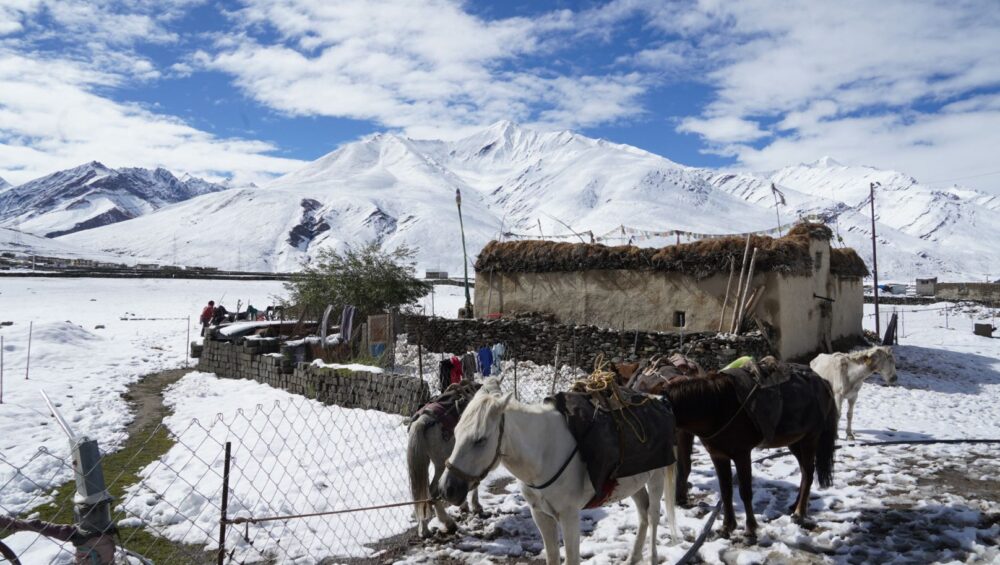
Few destinations in the world offer the raw beauty and adventure that Ladakh does. Nestled in the northern Himalayas, this spectacular region is known for its snow-capped peaks, rugged mountain passes, crystal-clear rivers, ancient monasteries, and remote villages. For outdoor enthusiasts and nature lovers, Trekking in Ladakh is one of the most rewarding ways to experience this breathtaking landscape while connecting with its unique culture and traditions.
Whether you are planning your first Himalayan adventure or returning to explore new trails, Ladakh offers trekking experiences suitable for beginners, experienced hikers, and seasoned mountaineers alike.
Why Trekking in Ladakh Is a Unique Experience
Unlike many mountain destinations, Ladakh combines dramatic landscapes with centuries-old Buddhist heritage. Every trail introduces trekkers to high-altitude deserts, colorful prayer flags, peaceful monasteries, glacial streams, and welcoming local communities.
The region’s diverse terrain allows visitors to experience everything from lush valleys and alpine meadows to rocky mountain passes and panoramic viewpoints. Each journey reveals a different side of Ladakh, making every trek memorable.
Another remarkable aspect of trekking here is the sense of solitude. Many routes pass through remote villages where traditional lifestyles have remained largely unchanged for generations, offering an authentic glimpse into Himalayan culture.
Best Time for Trekking in Ladakh
Choosing the right season is essential for a successful trekking adventure. The most favorable period for Trekking in Ladakh generally falls between June and September when mountain passes are open and weather conditions are relatively stable.
During these months, trekkers enjoy clear skies, pleasant daytime temperatures, and excellent visibility for photography and sightseeing. Wildflowers bloom across many valleys, while rivers and streams create beautiful natural scenery throughout the region.
Weather at high altitudes can still change quickly, so proper planning and suitable clothing remain important regardless of the season.
Popular Trekking Routes
Ladakh offers a variety of trekking routes that cater to different experience levels and interests. Some trails focus on cultural exploration, while others challenge trekkers with high mountain passes and remote wilderness.
Popular options include:
- Markha Valley Trek
- Sham Valley Trek
- Stok Kangri region treks
- Lamayuru to Chilling Trek
- Snow Leopard trekking routes
- Zanskar Valley trekking expeditions
- Tsomoriri Lake trekking adventures
Each route offers distinct landscapes, cultural experiences, and varying levels of difficulty, allowing travelers to select an adventure that matches their fitness and expectations.
Preparing for High-Altitude Trekking
Proper preparation is one of the most important factors for a safe and enjoyable journey. Since many trekking routes exceed 3,500 meters above sea level, travelers should allow sufficient time for acclimatization before beginning their trek.
A few essential preparation tips include:
- Maintain good physical fitness before your trip.
- Stay hydrated throughout the journey.
- Pack warm clothing in layers.
- Wear sturdy trekking boots.
- Carry sun protection, sunglasses, and a reusable water bottle.
- Bring essential medications and a basic first-aid kit.
Listening to your guide and understanding the effects of altitude can greatly improve your overall trekking experience.
Experience the Culture Along the Trail
One of the highlights of Trekking in Ladakh is the opportunity to experience the region’s rich cultural heritage. Many trekking routes pass through traditional villages where visitors can observe local customs, architecture, and everyday life.
Ancient Buddhist monasteries perched on dramatic cliffs provide peaceful places to rest and learn about Ladakh’s spiritual traditions. Travelers may also witness colorful prayer ceremonies, spinning prayer wheels, and fluttering prayer flags that add a unique cultural dimension to every trek.
Interacting respectfully with local communities often becomes one of the most memorable aspects of the journey.
Why Choose a Local Trekking Guide?
Exploring Ladakh with experienced local guides offers numerous advantages. Their knowledge of mountain trails, weather conditions, local customs, and emergency procedures helps create a safer and more enjoyable adventure.
Local trekking professionals can also recommend suitable routes based on your experience, arrange permits where required, organize camping equipment, and provide valuable insights about the region’s history and culture.
Traveling with knowledgeable guides not only enhances safety but also supports local communities whose livelihoods depend on responsible tourism.
Travel Responsibly in the Himalayas
The fragile Himalayan ecosystem deserves careful protection. Responsible trekking helps preserve the natural beauty of Ladakh for future generations.
Simple practices include carrying reusable water bottles, avoiding single-use plastics, disposing of waste responsibly, respecting wildlife, and following designated trekking trails. Visitors should also respect local customs and seek permission before photographing people or religious sites.
Sustainable travel benefits both the environment and the communities that welcome visitors from around the world.
Final Thoughts
For travelers seeking adventure, breathtaking scenery, and meaningful cultural experiences, Trekking in Ladakh offers an unforgettable journey through one of the world’s most spectacular mountain landscapes. From peaceful monasteries and picturesque villages to challenging high-altitude passes and panoramic Himalayan views, every trail presents new opportunities for exploration and discovery.
Whether you prefer a leisurely valley trek or a demanding multi-day expedition, careful planning and the support of experienced local guides can make your adventure both safe and rewarding. By embracing responsible travel and immersing yourself in Ladakh’s natural beauty and vibrant culture, you’ll create memories that last long after the trek comes to an end.