How to Choose and Prepare for Your Ladakh Trekking Adventure

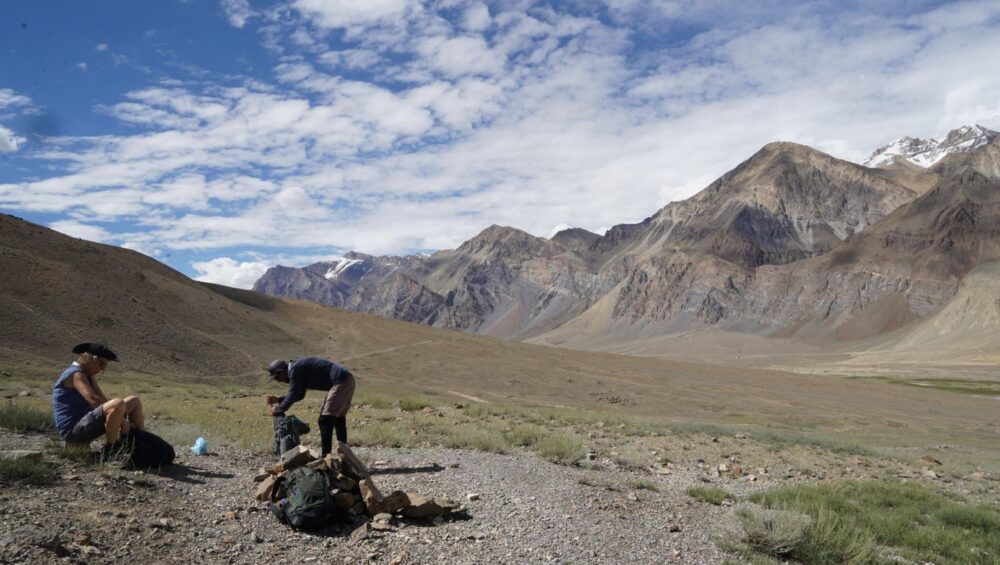
Imagine walking through a vast Himalayan valley, surrounded by rugged peaks, colorful prayer flags, and villages where traditional life continues at its own pace. Ladakh Trekking Tours offer more than spectacular mountain views. They give travelers the chance to explore remote landscapes, discover local culture, and experience the Himalayas on foot.

But choosing a trek is only the beginning. The right route, thoughtful preparation, and a realistic itinerary can make the difference between a rewarding adventure and a difficult journey. Here is how to plan a Ladakh trek that fits your interests, experience, and travel goals.

ย  1. Choose a Trek That Matches Your Adventure Style

Not every trekker wants the same experience. Some travelers prefer shorter walks with time to explore villages and monasteries. Others want demanding mountain routes, high passes, and several days in remote terrain.

Before choosing a trekking package, consider:

  • Your experience: Have you completed multi-day hikes before, or is this your first Himalayan trek?
  • Your fitness: Can you comfortably walk for several hours on uneven trails?
  • Your available time: How many days can you dedicate to trekking, including preparation and acclimatization?
  • Your interests: Are you drawn to dramatic mountain scenery, remote villages, cultural visits, or challenging passes?

Discuss these details with a knowledgeable local trekking team. A suitable itinerary should challenge you without exceeding your experience or physical ability.

ย  ย 2. Understand the Best Time to Trek

Ladakhโ€™s trekking conditions depend on the route, elevation, and season. Many popular summer treks are planned during the warmer months, but snow, weather, and trail conditions can vary from year to year.

Some high passes may remain difficult or inaccessible outside their suitable season. Before booking, ask your trekking operator about the expected conditions on your chosen route, the likely start date, and whether the itinerary may need adjustment.

Avoid choosing dates based only on photographs or general seasonal advice. Local guidance is especially valuable when planning a trek through remote areas.

ย  ย 3. Give Yourself Time to Acclimatize

Ladakhโ€™s high altitude is one of the most important factors to consider. Visitors arriving from lower elevations should allow time to adjust before undertaking strenuous trekking.

Plan rest and acclimatization days as part of your overall trip, not as spare time that can be removed to fit in another destination. Ascend gradually where the itinerary allows, stay hydrated, and pay attention to how you feel.

Altitude illness can affect travelers regardless of fitness. Learn its warning signs before departure, and seek medical advice if you have concerns. If symptoms develop, tell your guide promptly and follow appropriate medical guidance.

ย  ย 4. Prepare Your Body Before You Arrive

You do not need to be an elite athlete to enjoy every trek, but preparation helps. In the weeks before your trip, build up your walking routine and gradually increase the duration of your outings.

Include exercises that improve leg strength, balance, and cardiovascular endurance. If possible, practice walking on uneven ground while carrying a light daypack.

Your training should reflect the demands of your selected route. A short valley trek and a multi-day high-pass journey may require very different levels of preparation.

ย  ย 5. Pack for Changing Mountain Conditions

Mountain weather can change quickly, so pack for warmth, sun, and possible rain. Useful essentials include:

  • Comfortable, broken-in trekking boots and suitable socks
  • Layered clothing and a warm outer layer
  • Waterproof jacket and trousers, where appropriate
  • Sun protection, sunglasses, and a hat
  • A reusable water bottle and personal medicines
  • A daypack, headlamp, and basic personal supplies

Ask your trekking operator for a route-specific packing list. Camping equipment, meals, and support arrangements may be included in some packages but not others, so confirm what you need to carry yourself.

ย  ย 6. Make Local Knowledge Part of Your Journey

A local guide can help you understand the trail, nearby settlements, regional traditions, and practical challenges of trekking in Ladakh. They can also help coordinate daily arrangements and communicate with local communities.

When comparing Ladakh Trekking Tours, look beyond the advertised price. Check the route, group size, guide arrangements, accommodation, meals, transportation, equipment, and what support is available during the trek.

Choose an operator that explains the itinerary clearly and encourages responsible travel. Respect local customs, follow your guideโ€™s instructions, and avoid leaving waste on the trail.

ย  ย 7. Plan the Whole Trip, Not Just the Trail

Your trekking holiday begins before the first walking day. Think about your arrival in Leh, accommodation, acclimatization, transfers to the trailhead, and travel after the trek.

Leave some flexibility in your schedule in case weather or road conditions affect your plans. If you want to combine trekking with sightseeing or cultural visits, discuss the timing with your local travel team before confirming your package.

A well-planned trip balances adventure with enough time to rest, adjust to the altitude, and appreciate the places you visit.

Your Ladakh Adventure Starts with the Right Plan

The most memorable trek is not necessarily the longest or most difficult. It is the one that suits your abilities, gives you time to experience the landscape, and has been planned with care.

With thoughtful preparation, local guidance, and a route suited to your interests, Ladakh Trekking Tours can bring you closer to the regionโ€™s extraordinary mountains, culture, and quiet beauty.

Explore trekking options with Ladakh Trek Guide and start planning a Himalayan adventure that fits your travel goals.
Trekking in Ladakh: A Complete Guide to Exploring the Himalayas on Foot

Few destinations in the world offer the raw beauty and adventure that Ladakh does. Nestled in the northern Himalayas, this spectacular region is known for its snow-capped peaks, rugged mountain passes, crystal-clear rivers, ancient monasteries, and remote villages. For outdoor enthusiasts and nature lovers, Trekking in Ladakh is one of the most rewarding ways to experience this breathtaking landscape while connecting with its unique culture and traditions.

Whether you are planning your first Himalayan adventure or returning to explore new trails, Ladakh offers trekking experiences suitable for beginners, experienced hikers, and seasoned mountaineers alike.

Why Trekking in Ladakh Is a Unique Experience

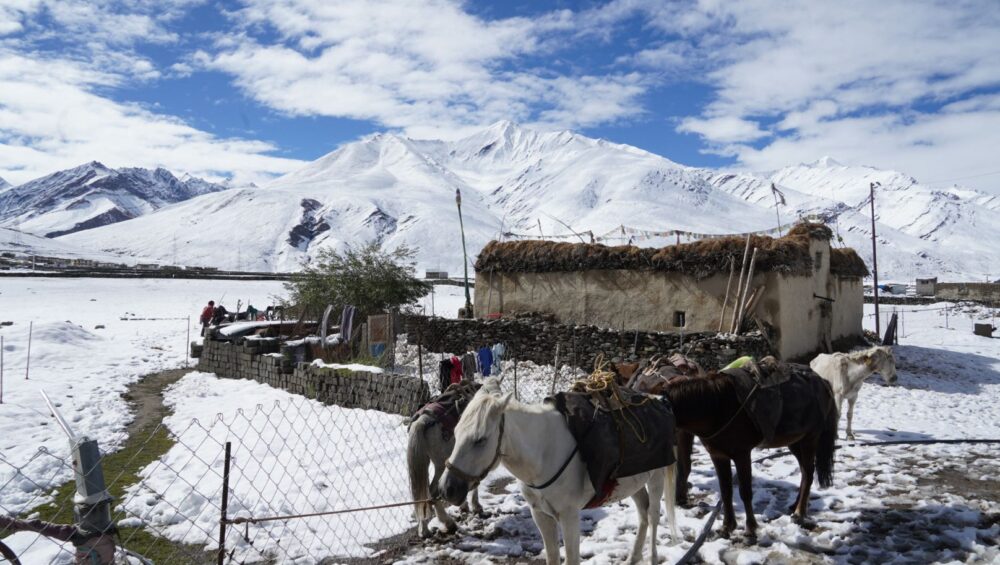
Unlike many mountain destinations, Ladakh combines dramatic landscapes with centuries-old Buddhist heritage. Every trail introduces trekkers to high-altitude deserts, colorful prayer flags, peaceful monasteries, glacial streams, and welcoming local communities.

The region’s diverse terrain allows visitors to experience everything from lush valleys and alpine meadows to rocky mountain passes and panoramic viewpoints. Each journey reveals a different side of Ladakh, making every trek memorable.

Another remarkable aspect of trekking here is the sense of solitude. Many routes pass through remote villages where traditional lifestyles have remained largely unchanged for generations, offering an authentic glimpse into Himalayan culture.

Best Time for Trekking in Ladakh

Choosing the right season is essential for a successful trekking adventure. The most favorable period for Trekking in Ladakh generally falls between June and September when mountain passes are open and weather conditions are relatively stable.

During these months, trekkers enjoy clear skies, pleasant daytime temperatures, and excellent visibility for photography and sightseeing. Wildflowers bloom across many valleys, while rivers and streams create beautiful natural scenery throughout the region.

Weather at high altitudes can still change quickly, so proper planning and suitable clothing remain important regardless of the season.

ย Popular Trekking Routes

Ladakh offers a variety of trekking routes that cater to different experience levels and interests. Some trails focus on cultural exploration, while others challenge trekkers with high mountain passes and remote wilderness.

Popular options include:

  • Markha Valley Trek
  • Sham Valley Trek
  • Stok Kangri region treks
  • Lamayuru to Chilling Trek
  • Snow Leopard trekking routes
  • Zanskar Valley trekking expeditions
  • Tsomoriri Lake trekking adventures

Each route offers distinct landscapes, cultural experiences, and varying levels of difficulty, allowing travelers to select an adventure that matches their fitness and expectations.

Preparing for High-Altitude Trekking

Proper preparation is one of the most important factors for a safe and enjoyable journey. Since many trekking routes exceed 3,500 meters above sea level, travelers should allow sufficient time for acclimatization before beginning their trek.

A few essential preparation tips include:

  • Maintain good physical fitness before your trip.
  • Stay hydrated throughout the journey.
  • Pack warm clothing in layers.
  • Wear sturdy trekking boots.
  • Carry sun protection, sunglasses, and a reusable water bottle.
  • Bring essential medications and a basic first-aid kit.

Listening to your guide and understanding the effects of altitude can greatly improve your overall trekking experience.

Experience the Culture Along the Trail

One of the highlights of Trekking in Ladakh is the opportunity to experience the region’s rich cultural heritage. Many trekking routes pass through traditional villages where visitors can observe local customs, architecture, and everyday life.

Ancient Buddhist monasteries perched on dramatic cliffs provide peaceful places to rest and learn about Ladakh’s spiritual traditions. Travelers may also witness colorful prayer ceremonies, spinning prayer wheels, and fluttering prayer flags that add a unique cultural dimension to every trek.

Interacting respectfully with local communities often becomes one of the most memorable aspects of the journey.

Why Choose a Local Trekking Guide?

Exploring Ladakh with experienced local guides offers numerous advantages. Their knowledge of mountain trails, weather conditions, local customs, and emergency procedures helps create a safer and more enjoyable adventure.

Local trekking professionals can also recommend suitable routes based on your experience, arrange permits where required, organize camping equipment, and provide valuable insights about the region’s history and culture.

Traveling with knowledgeable guides not only enhances safety but also supports local communities whose livelihoods depend on responsible tourism.

Travel Responsibly in the Himalayas

The fragile Himalayan ecosystem deserves careful protection. Responsible trekking helps preserve the natural beauty of Ladakh for future generations.

Simple practices include carrying reusable water bottles, avoiding single-use plastics, disposing of waste responsibly, respecting wildlife, and following designated trekking trails. Visitors should also respect local customs and seek permission before photographing people or religious sites.

Sustainable travel benefits both the environment and the communities that welcome visitors from around the world.

Final Thoughts

For travelers seeking adventure, breathtaking scenery, and meaningful cultural experiences, Trekking in Ladakh offers an unforgettable journey through one of the world’s most spectacular mountain landscapes. From peaceful monasteries and picturesque villages to challenging high-altitude passes and panoramic Himalayan views, every trail presents new opportunities for exploration and discovery.

Whether you prefer a leisurely valley trek or a demanding multi-day expedition, careful planning and the support of experienced local guides can make your adventure both safe and rewarding. By embracing responsible travel and immersing yourself in Ladakh’s natural beauty and vibrant culture, you’ll create memories that last long after the trek comes to an end.