Top 10 Benefits of Hiring a Local Trekking Guide in Ladakh
Ladakh is a dream destination for travelers who want to experience dramatic Himalayan landscapes, remote valleys, ancient monasteries, and traditional mountain communities. But planning a trek in this high-altitude region involves more than choosing a beautiful route. Acclimatization, weather, transportation, accommodation, permits, equipment, and local conditions all need to be considered before setting out.
For travelers unfamiliar with the region, working with a Local Trekking Guide in Ladakh can make the entire journey more organized and enjoyable. A knowledgeable local guide or trekking agency can help you plan your itinerary, understand the terrain, prepare for high-altitude conditions, and experience Ladakh beyond the usual tourist routes.
Here are ten important benefits of choosing local trekking support for your Himalayan adventure.
- Get Local Knowledge of Trekking Routes
Ladakh has a wide variety of trekking routes, ranging from relatively accessible valley trails to challenging high-altitude expeditions. A local guide understands the characteristics of different routes and can recommend an itinerary based on your experience, fitness, available time, and interests.
Instead of choosing a trek simply because it looks attractive online, you can select a route that realistically matches your abilities.
- Plan Your Itinerary More Effectively
A successful trek requires careful planning. Your itinerary should account for walking distances, elevation changes, rest days, overnight stops, transportation, and weather conditions.
A local trekking professional can help create a practical schedule rather than trying to fit too many destinations into a short trip. Proper planning also gives you enough time to enjoy villages, viewpoints, monasteries, and the surrounding landscapes.
- Support Proper Acclimatization
Altitude is one of the most important considerations when trekking in Ladakh. Visitors arriving from lower elevations need time to adjust to the thinner air before undertaking strenuous activity.
An experienced Local Trekking Guide in Ladakh can help structure your journey with appropriate acclimatization days and gradual increases in elevation. They can also explain common altitude-related concerns and advise you when you should slow down or seek medical assistance.
- Understand Local Weather and Trail Conditions
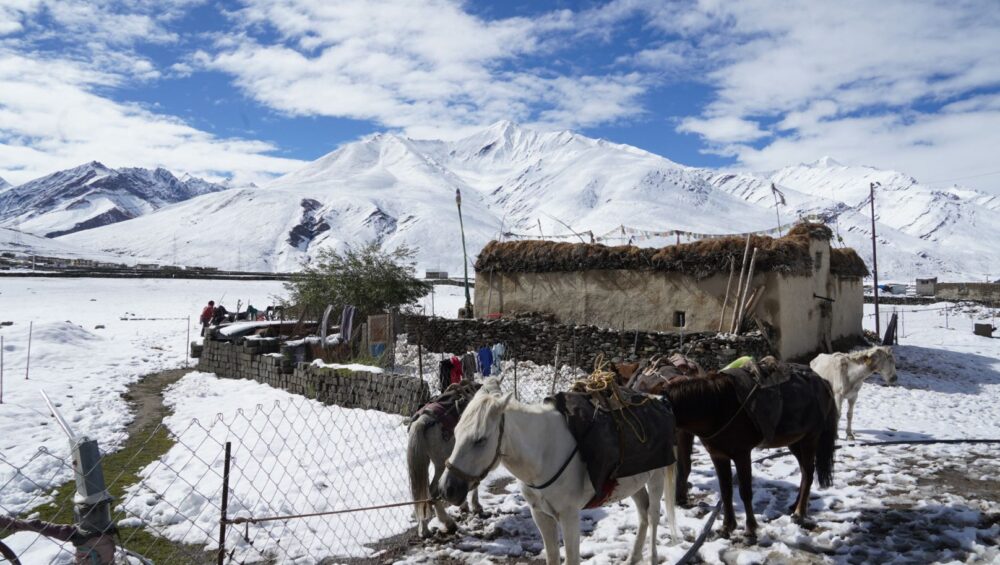
Mountain weather can change quickly. A trail that is accessible one day may become difficult because of snowfall, rain, strong winds, or other conditions.
Local guides regularly work in the region and can provide practical information about current trail conditions and seasonal changes. This knowledge can help you make better decisions and adjust your itinerary when necessary.
- Make Transportation and Logistics Easier
Reaching remote trekking areas often involves several stages of travel. You may need a vehicle from Leh, transfers between villages, accommodation before and after the trek, or support for moving trekking equipment.
A local agency can coordinate these arrangements so you do not have to manage every booking independently. This makes the journey smoother, particularly when traveling to less-connected parts of Ladakh.
- Experience Authentic Local Culture
Ladakh is not only about mountains. Its monasteries, villages, traditions, cuisine, and local communities are an important part of the travel experience.
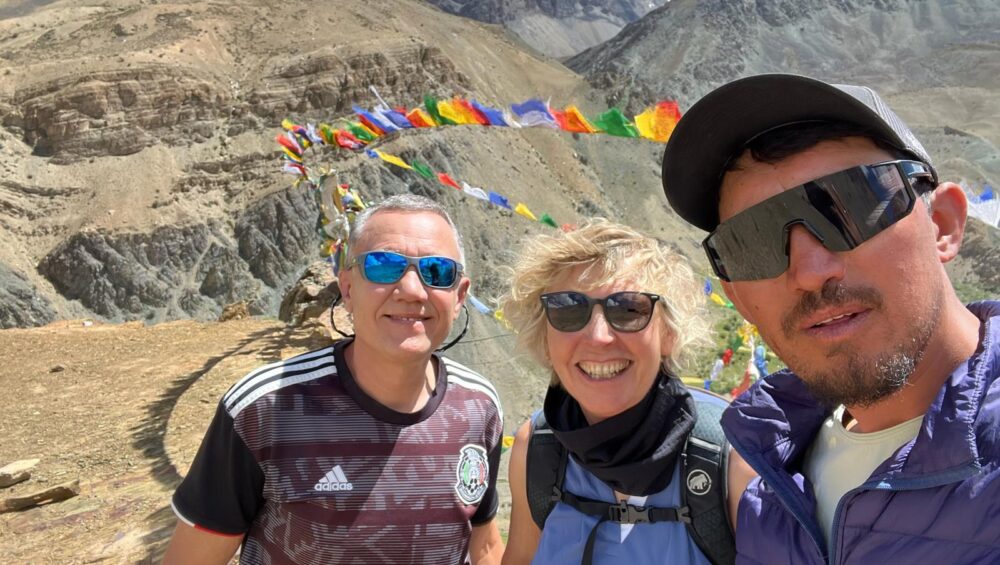
A local guide can introduce you to cultural experiences that you might otherwise overlook. Staying in a traditional homestay, visiting a monastery, or learning about village life can add a meaningful dimension to your trek.
- Improve Your Trekking Experience with Local Insights
A map can show you where a trail goes, but a local guide can explain what you are seeing along the way. They may share information about mountain landscapes, local traditions, historic sites, wildlife, and villages.
These conversations can turn a trek from simply walking through the Himalayas into a deeper travel experience.
- Get Help with Trekking Equipment and Preparation
First-time trekkers may be unsure about what to pack for Ladakh. Clothing, footwear, sleeping equipment, sun protection, hydration supplies, and other essentials need careful consideration.
A local trekking agency can provide practical recommendations based on the route and season. This helps you avoid carrying unnecessary items while making sure you are adequately prepared.
- Have Local Support During the Journey
Remote trekking requires responsible preparation. Having experienced local support can be especially valuable when unexpected situations arise, such as changes in weather, trail difficulties, or transportation delays.
A professional trekking team can help coordinate the necessary arrangements and communicate with local communities when assistance is needed.
- Enjoy a Trek Designed Around You
Perhaps the biggest advantage of working with a local trekking agency is flexibility. Your trek does not have to follow a one-size-fits-all itinerary.
You can discuss your interests, preferred trekking difficulty, trip duration, cultural experiences, accommodation preferences, and other requirements before creating your plan. A Local Trekking Guide in Ladakh can then help build an experience that suits your travel goals.
How to Plan Your Ladakh Trek
Before booking, start by deciding how many days you have and what type of trekking experience you want. Research the route, understand its altitude and difficulty, and allow sufficient time for acclimatization.
Next, discuss your requirements with a local trekking agency. Ask about the itinerary, transportation, accommodation, guide support, meals, equipment, permits where applicable, and emergency arrangements. It is also important to understand what is included in the package before confirming your trip.
Finally, prepare physically and pack according to the season and trekking route. Follow responsible travel practices by minimizing waste, respecting local customs, protecting the natural environment, and avoiding unnecessary disturbance to wildlife and communities.
Final Thoughts
Trekking in Ladakh can be an extraordinary experience, but the quality of your journey depends greatly on preparation. From selecting the right route and planning acclimatization to arranging transportation and understanding local conditions, there are many details to consider.
Hiring a Local Trekking Guide in Ladakh gives travelers the advantage of local knowledge, practical support, cultural insight, and a more personalized approach to Himalayan travel. With the right planning and experienced local guidance, you can spend less time worrying about logistics and more time enjoying the spectacular landscapes and unique experiences that make Ladakh such a remarkable trekking destination.